Community Resilience
Creates direct and permanent employment in coastal operations within each municipality where it operates, protects the local tourism economy, and reduces sargassum cleanup costs currently borne by municipal budgets and DNER.
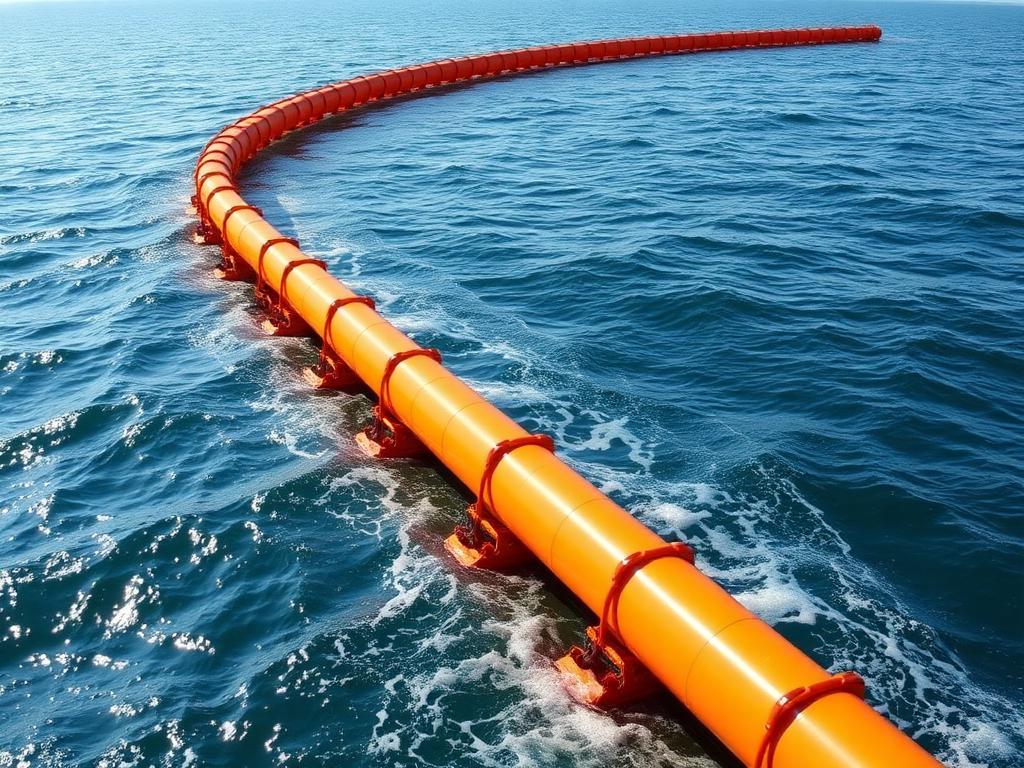
Reclaim Nature is developing scalable coastal interception infrastructure designed to prevent sargassum and marine debris from reaching sensitive shorelines while creating pathways for environmental restoration, economic development, and beneficial reuse.
Reclaim Nature collects, removes, loads, and transports sargassum and ocean plastic from Puerto Rico's coastal waters before they reach shore. We operate seven planned coastal access points across the eastern and southeastern coastline. Every ton recovered goes to qualified processors through a zero-landfill pipeline. The model is designed for replication across Puerto Rico, the wider Caribbean, and other Atlantic and Gulf coastlines facing the same crisis.
USF Sargassum Watch System Bulletin 04 confirms sargassum has spread across the entire Caribbean Sea as of mid-April 2026. The 2026 season is projected to be a record year by summer.
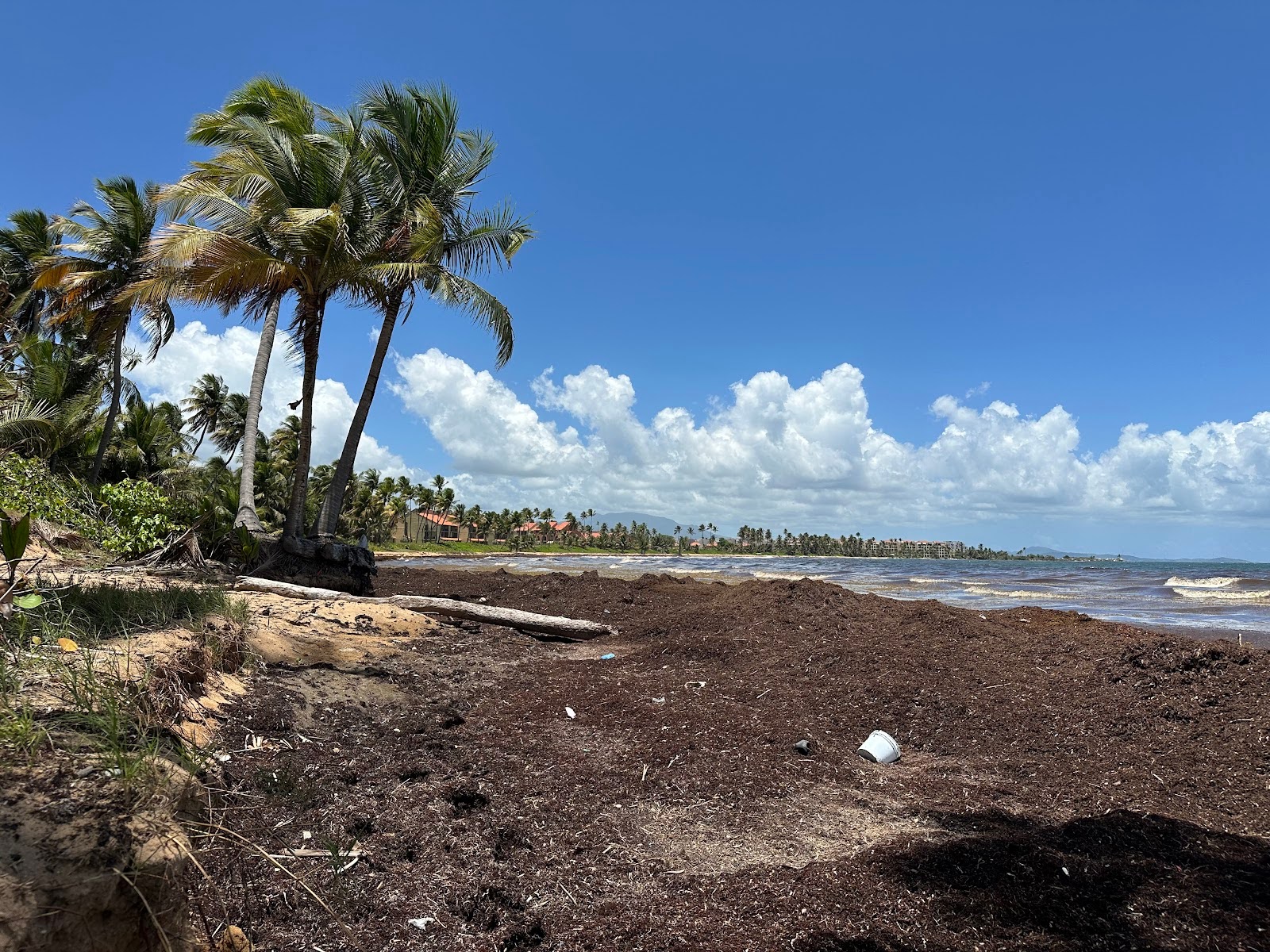
NOAA has documented active decomposing sargassum with hydrogen sulfide release at multiple Puerto Rico coastal sites included in Reclaim Nature's seven operational zones.
A peer-reviewed study published in Marine Environmental Research in 2026 confirms sargassum events generate multimillion dollar losses annually across Puerto Rico in tourism, fishing, and coastal infrastructure.
The window to be operational for the 2027 season closes with every month that passes without active permits. Reclaim Nature is moving now.
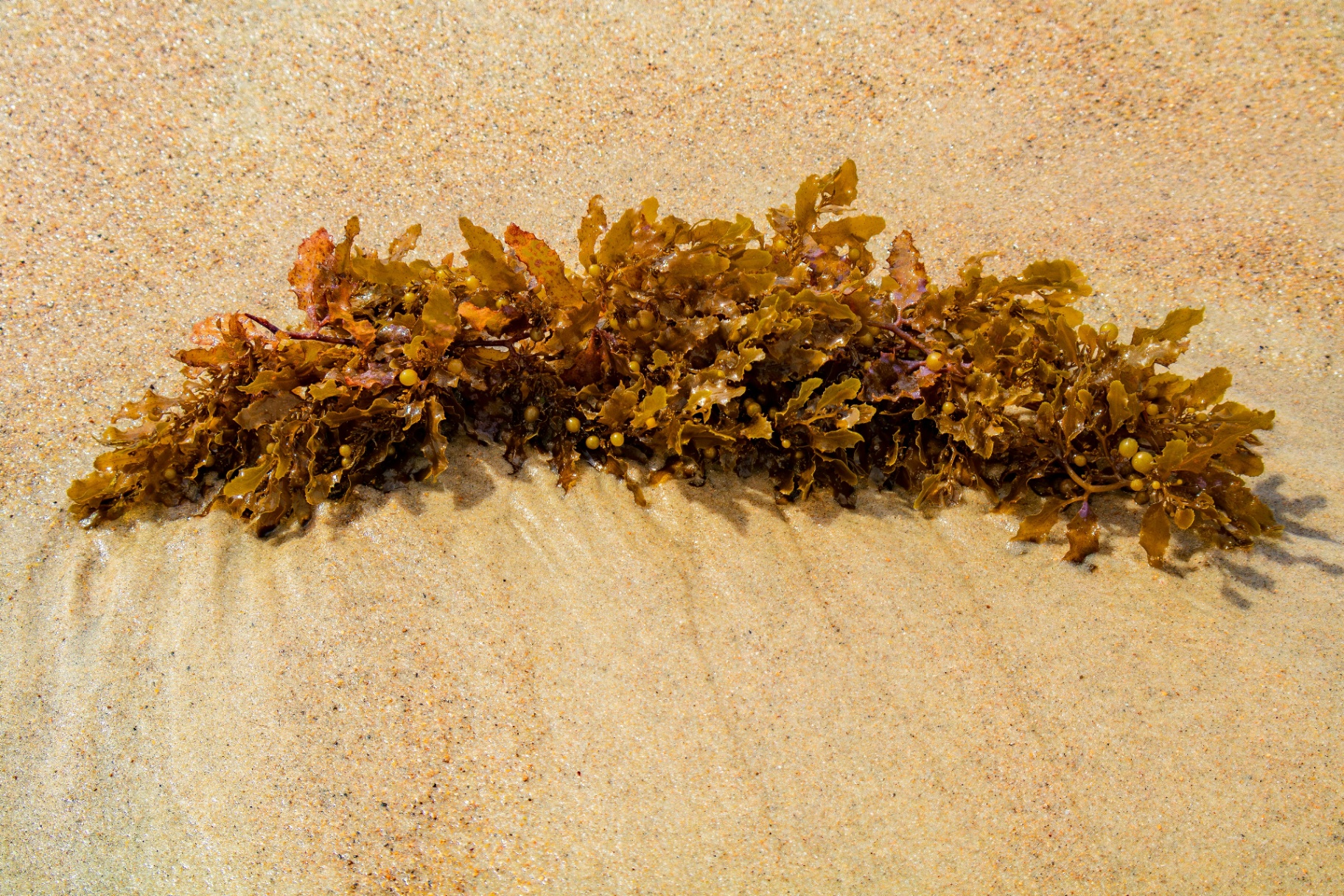
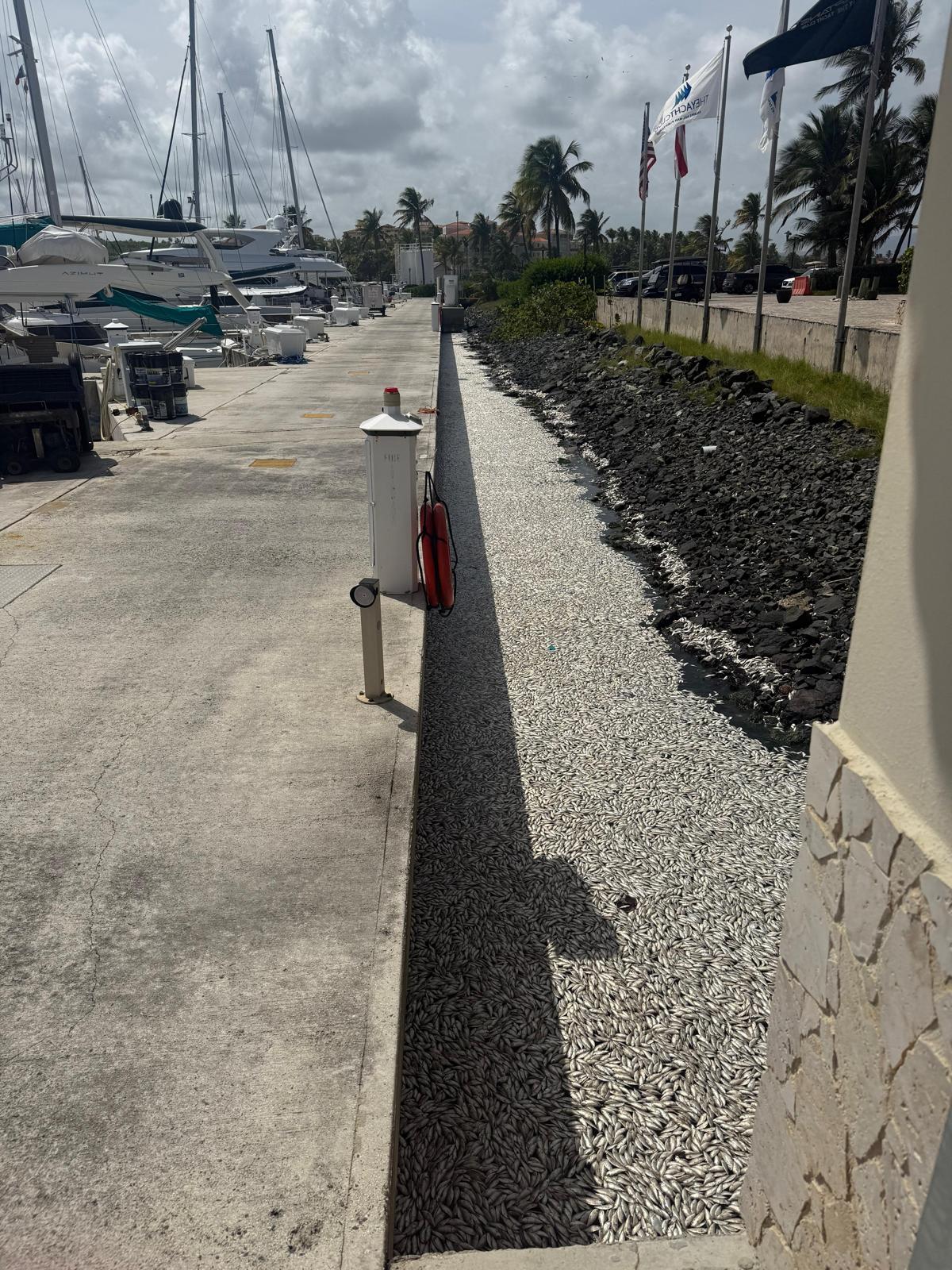
Decomposing sargassum depletes oxygen in enclosed marina waters. When dissolved oxygen drops below survivable levels, fish suffocate. It is what happens when offshore interception does not exist.
That is the estimated volume of sargassum that reached Puerto Rico's coastlines in 2025. It carried arsenic, hydrogen sulfide, and enough biomass to close beaches, damage coral reefs, and suppress the coastal economy that Puerto Rico depends on. Reclaim Nature exists to intercept it before it arrives.
From satellite prediction to shore-side staging, a fully integrated interception system operating in the Caribbean.
Reclaim Nature is actively advancing through the regulatory and procurement steps required for pilot deployment. The sequence below reflects the path from permit submission to first operational season.
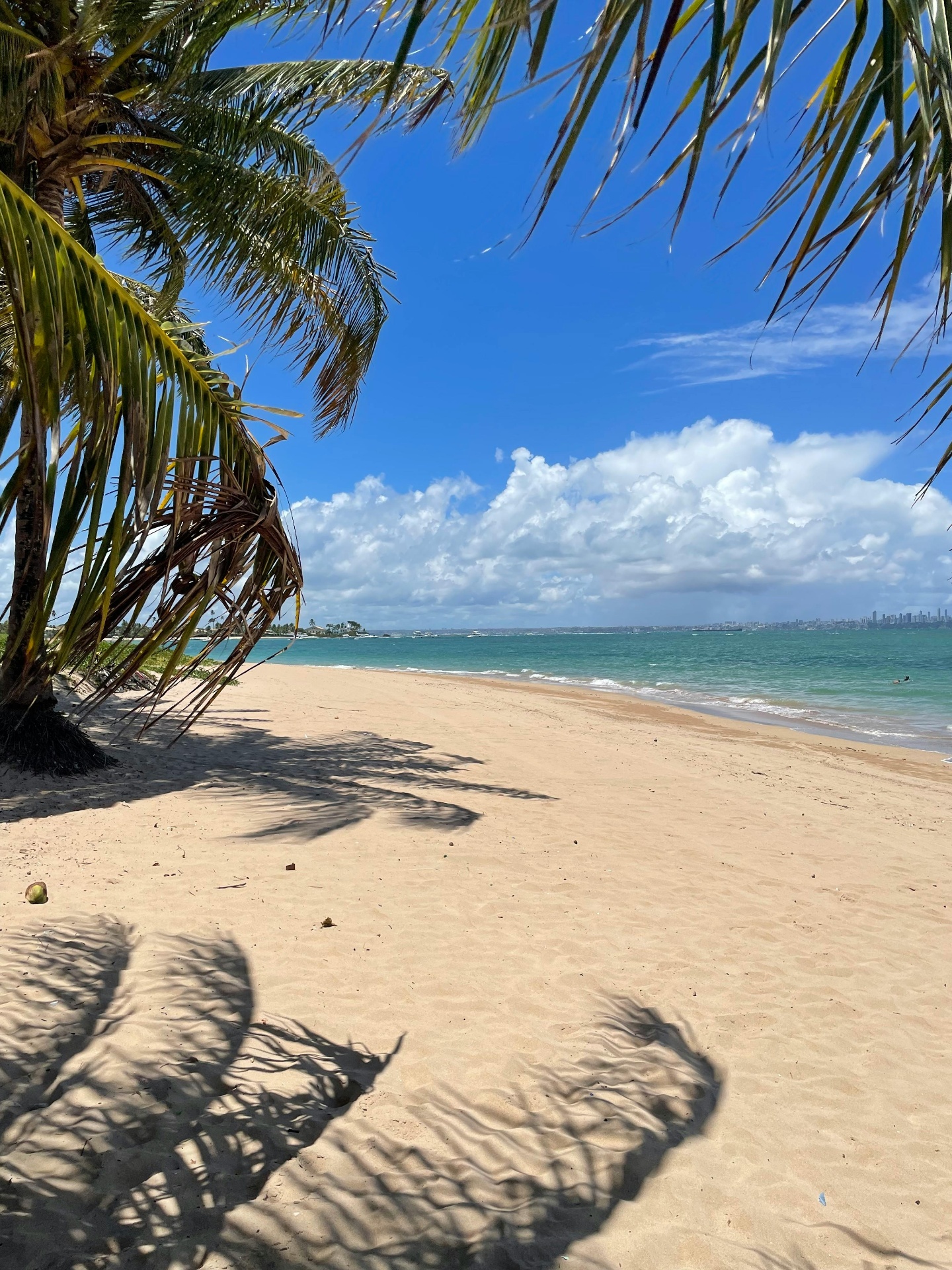
Every step of this system exists to return Puerto Rico's coastlines to the communities that call them home.
Reclaim Nature is actively coordinating with coastal site operators, municipal authorities, and regulatory agencies to establish permitted pilot interception zones along Puerto Rico's eastern coastline. Site relationships are in development. Formal coordination agreements will be executed prior to any deployment activity.
Reclaim Nature stages clean dewatered sargassum biomass and co-collected plastic at each coastal access point and makes it available to any qualified processor on the island. This pipeline is open. Any Puerto Rico based manufacturer, researcher, or processor interested in receiving recovered biomass as a raw material is welcome to establish a transfer relationship with Reclaim Nature. One processor has already executed a Letter of Intent confirming their intent to receive material. More are welcome.
Permitted offshore collection operations producing clean raw material available to any qualified processor on the island. No landfill dependency. No exclusivity. Just supply.
Permanent infrastructure that addresses a recurring coastal crisis and delivers measurable economic and ecological outcomes for Puerto Rico.
Creates direct and permanent employment in coastal operations within each municipality where it operates, protects the local tourism economy, and reduces sargassum cleanup costs currently borne by municipal budgets and DNER.
Intercepts and removes floating debris before it damages beaches, coral reefs, marina equipment, and coastal access points across Puerto Rico.
Removes hazardous materials from marine habitats before hydrogen sulfide release and plastic fragmentation into microplastics can occur.
A replicable community-based model designed for adoption across additional Puerto Rico municipalities and wider Caribbean coastlines.
Phase 1 begins in Fajardo. The model scales across every coastline in Puerto Rico, and across the Caribbean.
Our permit application is moving through pre-application review with USACE Caribbean District. We welcome coordination from agencies, municipalities, processors, and research partners.